
What Does 24K Gold Mean? Understanding Gold Purity Levels, Value & Jewelry Choices
Gold jewelry represents the world's largest form of gold investment, yet most buyers remain unaware of what they're actually purchasing.
So, “What does 24K gold mean?” By the time you finish reading, all your doubts about 24K gold, its meaning, the gold karat system, purity levels, and value will be cleared.
This comprehensive guide reveals the truth about gold purity levels, exposes industry practices that cost consumers thousands, and explains why 24K gold delivers superior investment value compared to lower-karat alternatives.
- What Does 24K Gold Mean?
- How It Differs from Other Karat Levels
- Karat System & Gold Testing
- Comparing 10K, 14K, 18K & 24K
- Uses of Different Karat Jewelry
- Why 24K May Be Cheaper Long-Term
- YinCity Gold vs Traditional Retail
- What Drives 24K Gold Pricing?
- Benefits of 24K Jewelry
- Durability Myths: 24K vs 18K
- Why YinCity Gold Is Different
- Our Vision & Mission
- Conclusion
- FAQs About 24K Gold
KEY TAKEAWAYS
- 24K Gold offers the highest purity (99.9%) and unmatched value per gram.
- Lower-karat gold is often a retailer’s profit strategy - you’re paying gold prices for alloy metals.
- 24K gold jewelry combines beauty, purity, and long-term investment value.
- 24K Gold offers both aesthetic and investment value - you’re wearing the same pure metal trusted for centuries as a store of wealth.
- Pure gold doesn’t oxidize, corrode, or discolor like alloyed metals, and YinCity Gold ensures fair pricing (30–55% markup) instead of the 200–400% retail average.
- Retail gold markups are often 200–400%, while YinCity Gold keeps markups fair at 30–55%, sold transparently by weight and market rate.
What Does 24K Gold Mean Exactly?
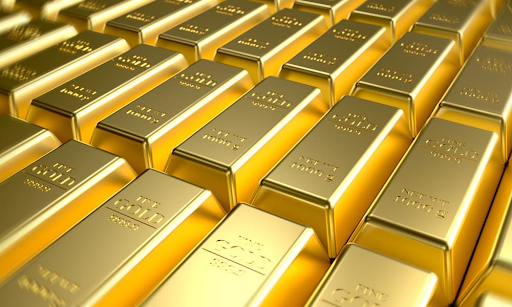
24K gold represents pure gold in its most refined form - 99.5% gold content with virtually no alloy metals. Unlike diluted alternatives, 24K gold contains maximum precious metal value per gram, making it the optimal choice for serious investors who understand gold's role as portable wealth.
The "24K" designation indicates that all 24 parts out of 24 are pure gold, contrasting sharply with 18K (75% gold) or 14K (58.3% gold), where you're paying gold prices for copper, silver, and zinc.
Pure gold jewelry has always been about personal adornment - expressing identity, culture, and status. And historically, that meant pure gold. From the Roman and Byzantine Empires to royal treasuries in Asia, kings and nobility wore pure or nearly pure gold, not 10K or 14K alloys. Even thousands of years ago, civilizations refined gold to achieve its natural brilliance and incorruptibility.
How 24K Gold Differs from Other Karat Levels
Traditional jewelers promote lower-karat gold primarily to increase profit margins, not for consumer benefit. When you purchase 18K gold, 25% of your investment goes toward base metals worth pennies per gram. With 14K gold, nearly half your purchase consists of non-precious metals.
24K gold eliminates this wealth transfer by delivering maximum gold content per dollar invested. Unlike 10K, 14K, or 18K gold, 24K gold contains no other metals. 24K gold stands out for its rich color and unmatched purity.
Understanding the Karat System in Gold
There are two main misconceptions:
First: What Does “Karat” Mean?
“Karat” (not to be confused with “carat,” which measures gemstones) tells you how much pure gold is in a piece of jewelry. One karat equals 1/24th part of the whole.
Second: How Karat Is Measured and XRF Testing?
Professional gold verification uses X-ray fluorescence (XRF) testing rather than relying solely on stamps or hallmarks. XRF analysis provides precise elemental composition, revealing the exact gold content in any piece. This technology exposes discrepancies between stated purity and actual gold content, protecting investors from fraudulent practices.
999 fine gold jewelry typically displays appropriate markings, but XRF testing remains the definitive verification method for serious investors.
Comparing Popular Gold Purity Levels (10K, 14K, 18K, 24K)
| Gold Content in Each Karat Level | ||
|---|---|---|
| Karat | Gold Content (%) | Alloyed Metals (%) |
| 10K | 41.6 | 58.4 |
| 14K | 58.3 | 41.7 |
| 18K | 75 | 25 |
| 24K | 99.9 | 0 |
Lower-karat gold serves retailer profit margins rather than consumer investment goals. Each step down from 24K represents wealth transferred from your portfolio to base metal suppliers. 10K and 14K are more common in the U.S., while 22K and 24K are popular in Asia and the Middle East.
When we examine the history of gold jewelry adorned by kings and nobility, was it pure gold or alloyed gold? When you go to a Sotheby’s auction for gold jewelry from the Roman or Byzantine Empire, were the pieces 10K, 14K, or 18K? No, they were pure or close to pure gold. Even thousands of years ago, civilizations were smelting and refining to achieve true purity, valuing gold for its natural brilliance and incorruptibility.
It’s completely false and a myth that 24K gold is too soft or not durable for daily wear. Billions of people across Asia, from China to India, have worn 24K gold jewelry for centuries as both adornment and investment. This myth exists purely to justify the sale of cheaper, alloyed gold that's easier (and less costly) for retailers to produce but far less valuable for you.
You might also like this blog: Expert Comparison of 10K, 14K, 18K, 22K & 24K Gold.
Use Our Gold Jewelry Calculator
Never purchase gold jewelry without knowing the jewelry’s actual gold value.
Retail Markups Explained
Retail jewelers typically mark up gold jewelry 200–300%, with today’s industry average still above 200% (down from 300%+ five years ago as gold prices rose). These inflated markups persist because customers rarely know how jewelry should be priced or what they’re actually paying for.
YinCity Gold’s pricing is transparent — just 30–55%, depending on style and craftsmanship — the fair range that keeps gold accessible without predatory retail inflation.
Why 24K Gold Is A Bit More Expensive on Paper
You’re paying for the highest gold content, not for cheap alloyed metals. Unfortunately, many big brands take advantage of this by applying massive markups on gold jewelry made from alloy instead of providing the real deal. This means that with less expensive gold used, they have more ability to charge higher markups.
Want proof? Check out some of the results from our 2024 U.S. price analysis and markup comparison below:
| JEWELER | INDUSTRY CATEGORY | ITEM | ITEM PRICE | GOLD VALUE (@ $2350 OZ) |
MARK-UP | TYPE | LINK |
|---|---|---|---|---|---|---|---|
| Yincity Gold | GOLD CUSTOM INVESTMENT JEWELRY HANDMADE IN U.S. | 24K CUSTOM HANDMADE CUBAN CHAIN WITH ID TAG 25 INCH 311 GRAMS | $36,210 | $25,500 | 42% | SOLID | YINCITYGOLD.COM |
| TIFFANY & CO. | LUXURY RETAIL | 18K HARDWARE LINK BRACELET 35.38G (6.53 GRAMS ACTUAL GOLD) | $12,500 | $2,175 | 475% | HOLLOW | TIFFANY.COM |
| Cartier | LUXURY RETAIL | 18K SANTOS CHAIN 22 INCH 55.25 GRAMS (14.14 ACTUAL GOLD) | $8,500 | $3,398 | 150% | SOLID | CARTIER.COM |
| DAVID YURMAN | LUXURY RETAIL | 18K ROSE GOLD CUBAN 26 INCH 125.52 GRAMS (91.4 GRAMS ACTUAL GOLD) | $37,000 | $7,719 | 379% | SOLID | DAVIDYURMAN.COM |
| ZALES | RETAIL (MALL) | 14K GOLD CUBAN 26” ITEM #20293610 WEIGHT 75.60 | $15,499 | $3,613 | 327% | HOLLOW | ZALES.COM |
| KAY | RETAIL (MALL) | 14K CUBAN 22” 96.13 GRAMS (56.04 GRAMS ACTUAL GOLD) | $25,999 | $4,595 | 466% | HOLLOW | KAY.COM |
| Ben Bridge | RETAIL | 14K 24” FORZATA CHAIN 6.64 GRAMS (3.87 REAL GRAMS ACTUAL GOLD) | $6,999 | $3,173 | 121% | SOLID | BENBRIDGE.COM |
| Fred Meyer | RETAIL | 14K 26” INCH FRANCO CHAIN 176 GRAMS (102.6 ACTUAL GOLD) | $21,900 | $8,413 | 160% | SOLID | FREDMEYERJEWELERS |
| Shane Co. | RETAIL (MALL) | 14K FRANCO CHAIN 51.9 GRAMS (30.25 PURE GOLD) | $6,450 | $2,480 | 160% | HOLLOW | SHANECO.COM |
| Walmart | DEPARTMENT RETAIL | 14K CUBAN 24” 106.14 GRAMS (61.88 GRAMS) | $12,259 | $5,074 | 142% | SOLID | WALMART.COM |
| Nordstrom | DEPARTMENT RETAIL | 18K GOLD CUFF BRACELET 33 GRAMS (24.75 ACTUAL GOLD) | $10,450 | $2,029 | 415% | SOLID | NORDSTROM |
| Kohl’s | DEPARTMENT RETAIL | 14K GOLD 24” PAVE CHAIN 52.5 GRAMS (30.60 ACTUAL GOLD) | $20,000 | $2,509 | 697% | HOLLOW | KOHLS.COM |
| Amazon | AMERICA’S BIGGEST ONLINE RETAILER | JEWELRY PLUS 26” CUBAN 101.49 (59.17 ACTUAL GOLD) | $13,175 | $4,852 | 172% | SOLID | AMAZON.COM |
| Jaxxon | ONLINE | 14K 24” FRANCO 27 GRAMS (15.75 ACTUAL) | $2,499 | $1,291 | 94% | SOLID | JAXXON.COM |
| Helzberg | RETAIL | 14K 24” CUBAN 34.50 GRAMS (20.11 ACTUAL GOLD) | $5,999 | $1,649 | 264% | HOLLOW | HELZBERG.COM |
| Jared | RETAIL | 24K 24” BARREL CHAIN 77.99G GOLD | $18,000 | $6,395 | 181% | HOLLOW | JARED.COM |
| Costco | RETAIL DISCOUNT | 14K 24” FANCY CURB NECKLACE 47.3 GRAMS (27.6 ACTUAL GOLD) | $3,500 | $2,262 | 55% | SOLID | COSTCO.COM |
| Gurhan | ONLINE | 24K 7.5 INCH GOLD BALL BRACELET 30.32 GRAMS GOLD | $7,950 | $2,486 | 205% | SOLID | GURHAN.COM |
Gold markup refers to the difference between the price a jeweler pays for gold and the final retail price they charge you. This covers their labor, overhead, and profit. But in the U.S., it often gets inflated far beyond any reason. Some retailers mark up gold jewelry by 200% to 300% (or more) over its actual gold value, and most buyers aren’t even aware of it.
24K Wearable Gold is Why YinCity Gold Was Created
We eliminate the industry's exploitative markup practices by selling investment-grade 24K gold jewelry at transparent pricing (30-55% depending on style and design). This approach delivers genuine investment value while traditional retailers charge gold prices for copper and silver content.
We’re the solution to an industry that continues to push heavily diluted, alloyed gold jewelry at outrageous prices. All while maximizing their profits at the customer’s expense.
At YinCity Gold, we believe gold jewelry should be the most direct and authentic way to both enjoy and invest in physical gold.
CONTACT US
4 Factors That Influence 24K Gold Prices
Current Market Rates: Gold is a globally traded asset, with prices shifting daily. When prices rise, jewelry follows suit. For instance, gold at $2,300/oz in April 2024 saw over 40% appreciation within 12 months.
Retail Behavior: The Western jewelry market inflates prices by selling alloyed gold at 200–300% markups — a predatory model compared to Eastern markets, where gold jewelry is 24K and sold transparently by weight.
Total Weight of the Item: The more grams of pure gold in a piece, the more valuable it is. A 100g chain will always cost proportionally more than a 30g one.
Craftsmanship and Design: Intricately designed pieces like YinCity’s 24K Dragon Scale Franco Chains or Cuban Links involve additional labor - but YinCity keeps markups modest, so most of your payment reflects the gold itself.
Demand and Scarcity: With central banks on track to buy 1,000 metric tons of gold in 2025, the long-term global demand remains strong - reinforcing gold’s role as a stable store of value.
Advantages of 24K Gold Jewelry
So, is 24K gold good for jewelry? Absolutely - especially if you’re looking for beauty plus investment value. Here’s why:
1. Purest Form: No Alloys, Just Gold
24K is pure gold, meaning it doesn’t contain other metals like copper or silver. You’re getting gold in its most natural and unaltered state.
2. Rich Color: Deep, Vibrant Yellow
Thanks to its purity, 24K gold has that iconic, rich yellow tone that other karat levels (like 18K or 14K) just can’t match. It looks stunning and luxurious.
3. Investment Value: Holds Its Worth Over Time
Because it’s pure, 24K gold jewelry retains its value better than lower karat options. When gold prices rise, your jewelry’s value increases too. Plus, it’s easier to resell or trade when needed.
4. Hypoallergenic: Perfect for Sensitive Skin
Since 24K gold doesn’t contain nickel or other alloyed metals, it’s safe for people with sensitive skin. No more worrying about rashes or allergic reactions from wearing your favorite pieces.
5. Long-Term Appearance: No Oxidation or Discoloration
Over time, alloyed gold darkens as copper and silver react with air and moisture. 24K gold never oxidizes or corrodes, maintaining its deep yellow hue for life.
The Myth of Durability - Why 24K Gold Is Stronger Than You Think
The jewelry industry has long pushed the myth that 24K gold is “too soft” for daily wear. That’s false - and financially convenient for retailers who profit more from alloyed jewelry. The truth: any jewelry can bend or break if it’s too light or thin, regardless of karat.
A 10-gram ring can deform, whether it’s 10K, 14K, or 24K.
A 30-gram chain can snap if it’s narrow or hollow.
But a 100-gram 24K chain or a solid 30-gram ring? Practically unbending.
Durability depends on weight, density, and construction - not karat. And pure gold’s density and ductility actually help it absorb impact rather than crack.
The real problem lies with alloyed metals. Copper, silver, and zinc react with sweat, air, and moisture - leading to oxidation, corrosion, and discoloration over time. When alloyed gold touches sweat, perfume, or skincare products, the reaction forms dark compounds like copper sulfide or silver chloride - the reason 14K and 18K jewelry often turn black or dull.
Pure 24K gold doesn’t react with these substances. It stays chemically stable, hypoallergenic, and resistant to tarnish - even after decades of wear. No sweat, water, and skincare products won’t affect 24K Gold.
When worn daily, alloyed gold reacts with:
Sweat (salt + water) - corrosion
Perfume, lotion, and skincare products - chemical reactions causing dark tarnish (copper sulfide, silver chloride)
Air and humidity - oxidation and dullness
In contrast, pure 24K gold does not oxidize or corrode. It retains its color, shine, and structural integrity.
What Makes YinCity Gold Different
At YinCity Gold, we believe wearing 24K gold should mean owning real, investment-grade metal, not an overpriced mix of copper and silver.
Our jewelry merges the experience of wearing pure gold - its weight, density, and warmth - with the financial integrity of owning an appreciating asset.
Purity Beyond Industry Standards: Our 24K gold jewelry meets or exceeds LBMA bullion standards (99.5%+), ensuring genuine investment-grade quality.
Handcrafted Luxury: Every piece is handmade, not mass-produced, giving it the artistry and permanence pure gold deserves.
Transparent Pricing by Weight: We price each item by the gram, reflecting real gold value and fair labor - never inflated brand premiums.
A Vision for Honest Gold Ownership: YinCity Gold was created to restore integrity to the gold jewelry market. While others sell 14K and 18K alloys with 300% markups, we deliver pure gold jewelry priced with transparency and honesty, helping customers buy real gold, not overpriced metal mixtures.
Conclusion
Now you understand what 24K gold truly represents — purity, permanence, and value. Unlike alloyed gold, 24K jewelry combines aesthetic satisfaction (its rich color, density, and hypoallergenic comfort) with investment-grade integrity (pure gold that never corrodes or loses worth).
If you're shopping for investment pieces or special occasions, 24K gold remains a timeless choice.
Frequently Asked Questions
-
Yes, 24K gold is considered 99.5% pure, making it the highest standard for gold jewelry.
-
Yes, you can. Durability depends on design and weight - not karat. A solid 30-gram ring or 100-gram chain in 24K gold will hold its form better than lighter alloyed pieces. Pure gold also resists sweat, perfume, and skincare chemicals, so it stays bright without oxidation.
-
Yes, 24K gold is truly a good investment. It holds its value and is easy to resell. It’s a smart choice for those looking to invest in physical gold.
-
Gold-plated or gold-layered jewelry has a thin layer of gold over a base metal. It’s not the same as solid gold and wears off over time.